 By create_admin
Learning basic car repairs can save money, reduce stress, and help drivers better understand their vehicles. You do not need a full garage or years of experience to handle simple maintenance jobs.
Many beginner-friendly repairs require only basic tools and a little patience. Starting with small projects also builds confidence for larger repairs later.
Why DIY Repairs Matter
Simple repairs help drivers:
- Save money on labor costs
- Avoid unnecessary shop visits
- Understand vehicle problems earlier
- Build confidence around cars
- Extend vehicle lifespan
Even learning a few basic skills can make vehicle ownership much easier.
1. Replacing Windshield Wipers
Windshield wipers are one of the easiest DIY repairs.
Signs your wipers need replacement:
- Streaking on the windshield
- Squeaking noises
- Skipping during rain
- Cracked rubber blades
Most wiper replacements take less than 10 minutes and require no tools.
Fresh wipers improve visibility and driving safety immediately.
2. Changing the Engine Air Filter
The engine air filter helps keep dirt and debris out of the engine.
A dirty filter may cause:
- Reduced fuel economy
- Slower acceleration
- Poor engine performance
Most air filters are located inside a simple plastic housing under the hood.
Basic steps include:
- Open the air filter housing
- Remove the old filter
- Install the new filter
- Secure the housing
This repair is inexpensive and beginner-friendly.
3. Replacing the Cabin Air Filter
Many drivers forget their vehicle even has a cabin air filter.
This filter helps clean the air entering the cabin through the heating and air conditioning system.
Signs of a dirty cabin filter:
- Weak airflow
- Bad smells
- Dust buildup
- Poor AC performance
Cabin filters are usually located:
- Behind the glove box
- Under the dashboard
- Near the windshield cowl
Replacing one often takes less than 20 minutes.
4. Checking and Topping Off Fluids
Every driver should know how to inspect basic vehicle fluids.
Important fluids include:
- Engine oil
- Coolant
- Brake fluid
- Power steering fluid
- Windshield washer fluid
Low fluid levels can cause serious damage if ignored.
Always check fluids with the vehicle parked on level ground.
5. Replacing a Car Battery
A dead battery is one of the most common vehicle problems.
Signs of a weak battery include:
- Slow engine cranking
- Dim headlights
- Clicking sounds during startup
- Dashboard warning lights
Basic battery replacement steps:
- Disconnect the negative terminal
- Disconnect the positive terminal
- Remove the old battery
- Install the new battery
- Reconnect terminals
Always wear gloves and eye protection when working around batteries.
6. Changing Headlight Bulbs
Burned-out headlights reduce visibility and can lead to traffic tickets.
Many modern vehicles allow simple bulb replacement from behind the headlight housing.
Benefits of upgrading bulbs:
- Better nighttime visibility
- Cleaner appearance
- Improved road safety
LED upgrades are especially popular for modernizing older vehicles.
7. Replacing Spark Plugs
Spark plugs help ignite fuel inside the engine.
Worn spark plugs may cause:
- Rough idle
- Poor fuel economy
- Misfires
- Slow acceleration
Some vehicles make spark plug replacement very easy, while others are more complex.
Beginner mechanics should always check vehicle-specific instructions first.
8. Learning How to Use a Jack Safely
Every driver should know how to safely lift a vehicle.
Important safety tools include:
- Jack stands
- Wheel chocks
- Lug wrench
- Hydraulic jack
Never work under a car supported only by a jack.
Learning proper lifting techniques helps with tire changes and inspections.
9. Replacing Brake Pads
Brake pad replacement is one of the most useful DIY skills.
Common signs of worn brakes:
- Squealing noises
- Grinding sounds
- Reduced stopping power
- Brake warning lights
Brake jobs require more attention to safety than basic maintenance tasks, but many beginners successfully learn this repair with patience and proper research.
10. Checking Tire Pressure
Proper tire pressure improves:
- Fuel economy
- Tire lifespan
- Handling
- Safety
Drivers should check tire pressure at least once per month.
Underinflated tires create extra wear and increase the risk of blowouts.
Basic Tools Every Beginner Should Own
A small starter toolkit can handle many repairs.
Useful beginner tools include:
- Socket set
- Screwdrivers
- Tire pressure gauge
- Pliers
- Flashlight
- Torque wrench
- OBD-II scanner
You do not need expensive professional equipment to begin learning.
Common Beginner Mistakes
New DIY mechanics often make mistakes like:
- Rushing repairs
- Ignoring safety steps
- Forgetting torque specs
- Using cheap tools
- Skipping research
Taking your time and following instructions carefully helps avoid problems.
Final Thoughts
DIY car repairs are easier than many people think. Starting with simple maintenance tasks helps drivers save money while learning valuable skills.
You do not need to become a professional mechanic overnight. Even basic repairs like changing filters, replacing batteries, and checking fluids can make a huge difference in vehicle ownership costs and confidence.
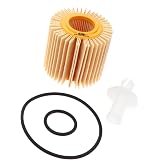
WIX 57047 Oil Filter Replacement, Built for Synthetic and High Mileage Oil - Compatible with Various Toyota, Lexus (05-19)
$14.06 (as of July 29, 2026 13:32 GMT +00:00 - More infoProduct prices and availability are accurate as of the date/time indicated and are subject to change. Any price and availability information displayed on [relevant Amazon Site(s), as applicable] at the time of purchase will apply to the purchase of this product.)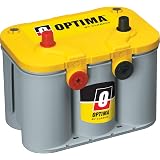
OPTIMA® Batteries High Performance D34/78 YELLOWTOP® Sealed AGM Battery | Dual Purpose Car, Truck and SUV Battery, 750 CCA, Dual Terminal, Maintenance Free, Versatile Mounting
$315.19 (as of July 29, 2026 13:32 GMT +00:00 - More infoProduct prices and availability are accurate as of the date/time indicated and are subject to change. Any price and availability information displayed on [relevant Amazon Site(s), as applicable] at the time of purchase will apply to the purchase of this product.)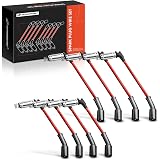
A-Premium 8MM Spark Plug Wires Set of 8, V8 Compatible with Chevrolet, GMC | for Chevrolet Silverado 1500, Tahoe, Silverado 2500 HD, Impala & GMC Sierra 1500, Yukon, Sierra 2500 HD & Cadillac Escadade
$26.99 (as of July 29, 2026 13:32 GMT +00:00 - More infoProduct prices and availability are accurate as of the date/time indicated and are subject to change. Any price and availability information displayed on [relevant Amazon Site(s), as applicable] at the time of purchase will apply to the purchase of this product.)
Vibrant Performance 1458 2-Bolt High Temperature Exhaust Gasket, 3"
$5.95 (as of July 29, 2026 13:32 GMT +00:00 - More infoProduct prices and availability are accurate as of the date/time indicated and are subject to change. Any price and availability information displayed on [relevant Amazon Site(s), as applicable] at the time of purchase will apply to the purchase of this product.)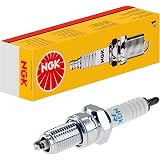
NGK (5531) DPR6EA-9 Standard Spark Plug, Pack of 1
$4.24 (as of July 29, 2026 13:32 GMT +00:00 - More infoProduct prices and availability are accurate as of the date/time indicated and are subject to change. Any price and availability information displayed on [relevant Amazon Site(s), as applicable] at the time of purchase will apply to the purchase of this product.)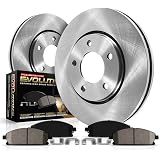
PowerStop Rear Brake Kit for Acura RDX 2010-18 | Honda CR-V 2005-16 - Z17 Ceramic Brake Pads & Disc Rotors Replacement, KOE206
$94.32 (as of July 29, 2026 13:32 GMT +00:00 - More infoProduct prices and availability are accurate as of the date/time indicated and are subject to change. Any price and availability information displayed on [relevant Amazon Site(s), as applicable] at the time of purchase will apply to the purchase of this product.)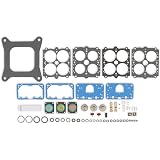
Holley 37-485 Renew Kit Carburetor Rebuild Kit
$62.24 (as of July 29, 2026 13:32 GMT +00:00 - More infoProduct prices and availability are accurate as of the date/time indicated and are subject to change. Any price and availability information displayed on [relevant Amazon Site(s), as applicable] at the time of purchase will apply to the purchase of this product.)