By create_admin
Car repairs can get expensive fast. Between labor costs, parts prices, and unexpected breakdowns, many drivers feel overwhelmed when something goes wrong with their vehicle.
The good news is that saving money on repairs does not mean ignoring problems or using low-quality parts. Smart maintenance habits and informed decisions can reduce repair costs while keeping your vehicle reliable.
1. Don’t Ignore Small Problems
One of the biggest mistakes drivers make is waiting too long to fix minor issues.
Small problems often turn into major repairs.
Common warning signs include:
- Strange noises
- Vibrations
- Fluid leaks
- Dashboard warning lights
- Burning smells
- Rough shifting
For example, replacing worn brake pads is much cheaper than replacing damaged rotors and calipers later.
Fixing problems early almost always saves money.
2. Learn Basic DIY Maintenance
You do not need to be a professional mechanic to handle simple maintenance tasks.
Easy beginner jobs include:
- Replacing air filters
- Changing windshield wipers
- Installing new batteries
- Checking tire pressure
- Topping off fluids
- Replacing cabin filters
These jobs usually require basic tools and can save hundreds of dollars over time.
Online tutorials also make learning easier than ever.
3. Find a Trustworthy Repair Shop
A good mechanic is one of the best investments a car owner can make.
Look for repair shops with:
- Strong customer reviews
- Clear communication
- Honest pricing
- Certified technicians
- Written estimates
Avoid shops that pressure you into unnecessary repairs.
Building a long-term relationship with a reliable mechanic often leads to better service and more honest advice.
4. Stay Consistent With Preventive Maintenance
Routine maintenance helps prevent expensive failures.
Important maintenance services include:
- Oil changes
- Transmission fluid replacement
- Brake inspections
- Tire rotations
- Coolant flushes
- Battery testing
Skipping maintenance may save money short term, but it usually leads to bigger repair bills later.
5. Don’t Always Buy the Cheapest Parts
Cheap parts can fail quickly and create more problems.
Instead, focus on:
- OEM-quality parts
- Trusted aftermarket brands
- Good warranties
- Reliable reviews
Quality parts usually last longer and reduce repeat labor costs.
6. Use an OBD-II Scanner
Modern vehicles store diagnostic trouble codes when problems occur.
Affordable OBD-II scanners allow drivers to:
- Read engine codes
- Clear warning lights
- Monitor engine data
- Identify possible problems early
While scanners do not replace professional diagnostics, they help drivers understand what may be wrong before visiting a repair shop.
7. Take Care of Your Tires
Tires affect safety, fuel economy, and suspension wear.
Simple tire habits include:
- Checking tire pressure monthly
- Rotating tires regularly
- Inspecting tread wear
- Keeping wheels aligned
Ignoring tire maintenance can lead to:
- Poor fuel economy
- Uneven wear
- Suspension damage
- Unsafe driving conditions
Good tire care saves money long term.
8. Prepare for Seasonal Weather
Extreme temperatures put extra stress on vehicles.
Before summer or winter arrives, inspect:
- Batteries
- Coolant levels
- Tire condition
- Belts and hoses
- Windshield wipers
Preventive seasonal maintenance reduces the chances of breakdowns during extreme weather.
9. Keep Maintenance Records
Organized service records help drivers:
- Track maintenance schedules
- Avoid duplicate repairs
- Improve resale value
- Identify recurring issues
A simple folder or smartphone app works well for storing repair information.
10. Know When to Replace a Vehicle
Sometimes repairing an older vehicle becomes more expensive than replacing it.
Signs it may be time to move on include:
- Constant breakdowns
- Severe rust
- Expensive transmission failure
- Engine replacement costs
- Major electrical issues
The goal is finding the balance between repair costs and long-term reliability.
Common Ways Drivers Waste Money
Many drivers accidentally increase ownership costs by:
- Ignoring warning lights
- Skipping oil changes
- Buying cheap tires
- Delaying repairs
- Using poor-quality parts
- Neglecting fluid maintenance
Avoiding these habits can save thousands over the life of a vehicle.
Final Thoughts
Saving money on car repairs comes down to consistency and smart decisions. Small maintenance habits, early repairs, and quality parts make a major difference over time.
You do not need to become a master mechanic to reduce repair costs. Learning the basics and staying proactive can keep your vehicle reliable while protecting your wallet.

Walker 35336 2 1/4 Inch Heavy Duty Clamp
$2.99 (as of July 29, 2026 13:32 GMT +00:00 - More infoProduct prices and availability are accurate as of the date/time indicated and are subject to change. Any price and availability information displayed on [relevant Amazon Site(s), as applicable] at the time of purchase will apply to the purchase of this product.)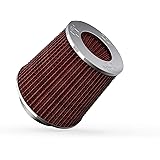
K&N High-Flow Original Lifetime Universal Clamp-On Air Filter: High Performance, Premium: Flange Diameter: 4 In, Filter Height: 5.5 In, Flange Length: 1.125 In, Shape: Round Tapered, RG-1001RD
$33.59 (as of July 29, 2026 13:32 GMT +00:00 - More infoProduct prices and availability are accurate as of the date/time indicated and are subject to change. Any price and availability information displayed on [relevant Amazon Site(s), as applicable] at the time of purchase will apply to the purchase of this product.)
K&N Air Filter Oil: Aerosol; Restore Engine Air Filter Performance and Efficiency, 99-0516, 347g(12.25 Oz)
$13.59 (as of July 29, 2026 13:32 GMT +00:00 - More infoProduct prices and availability are accurate as of the date/time indicated and are subject to change. Any price and availability information displayed on [relevant Amazon Site(s), as applicable] at the time of purchase will apply to the purchase of this product.)
K&N Oil Filter: 20,000 Mile Engine Protection with Wrench Off Nut, HP-2010 | Compatible with Select 1991-2026 CHEVROLET/DODGE/FORD/LINCOLN (See Product Description for Select Models)
$17.99 (as of July 29, 2026 13:32 GMT +00:00 - More infoProduct prices and availability are accurate as of the date/time indicated and are subject to change. Any price and availability information displayed on [relevant Amazon Site(s), as applicable] at the time of purchase will apply to the purchase of this product.)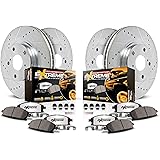
PowerStop Z36 Truck & Tow Brake Pad & Rotor Kit Front & Rear K6560-36 | Chevy Silverado 1500 Chevy Tahoe GMC Yukon Carbon Fiber Ceramic Brake Pads + Drilled & Slotted Rotors
$539.98 (as of July 29, 2026 13:32 GMT +00:00 - More infoProduct prices and availability are accurate as of the date/time indicated and are subject to change. Any price and availability information displayed on [relevant Amazon Site(s), as applicable] at the time of purchase will apply to the purchase of this product.)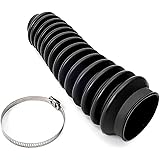
Rough Country Shock Boot - Black Protective Cover with Stainless Steel Clamp, Guards Against Mud, Dust & Debris, Universal Fit for Most Shocks
$5.95 (as of July 29, 2026 13:32 GMT +00:00 - More infoProduct prices and availability are accurate as of the date/time indicated and are subject to change. Any price and availability information displayed on [relevant Amazon Site(s), as applicable] at the time of purchase will apply to the purchase of this product.)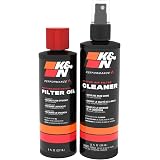
K&N Air Filter Cleaning Kit: Squeeze Bottle Filter Cleaner and Red Oil Kit; Restores Engine Air Filter Performance; Service Kit-99-5050
$17.09 (as of July 29, 2026 13:32 GMT +00:00 - More infoProduct prices and availability are accurate as of the date/time indicated and are subject to change. Any price and availability information displayed on [relevant Amazon Site(s), as applicable] at the time of purchase will apply to the purchase of this product.)